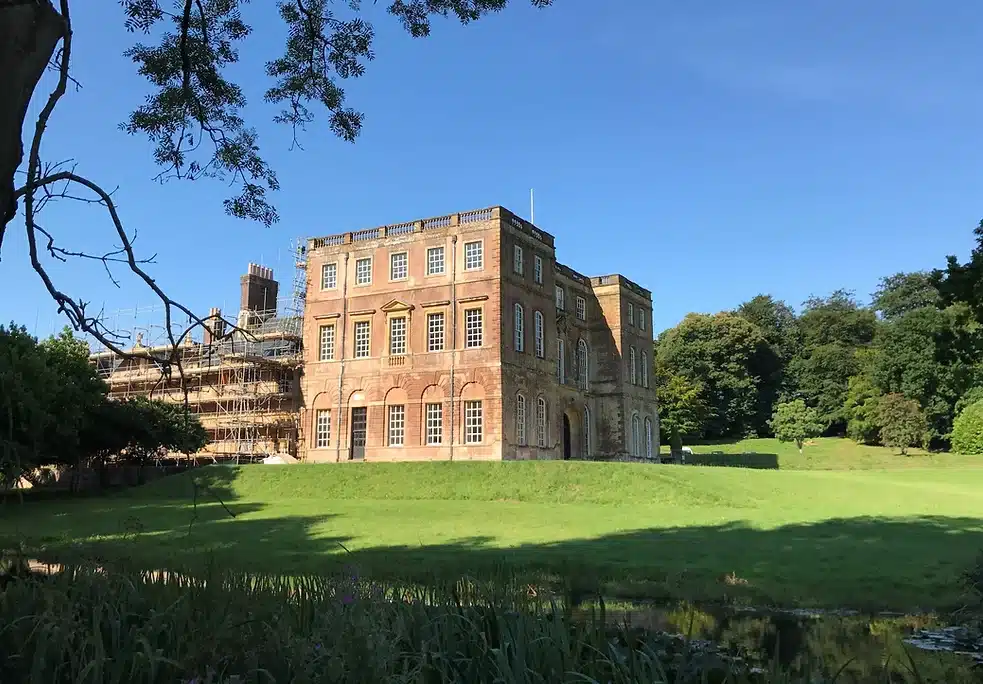
Summary: There are many ways to protect your heritage property. Focus on regular inspections and keep moisture under control. Preserve the original features and improve energy efficiency.
Do you often wonder how to keep your heritage building in excellent condition year-round? Owning a heritage property is both a privilege and a responsibility. These beautiful properties showcase timeless architecture, remarkable craftsmanship, and centuries of history. However, unlike modern buildings, they require regular care and thoughtful maintenance to preserve their character and structural integrity. Changing seasons, moisture levels, and natural ageing can affect your heritage property if it is not properly maintained. Nowadays, many people turn to a heritage architect to preserve the integrity of their house. Consistent care can prevent costly repairs, protect original features, and extend the life of your building.
Tips from an Experienced Architect to Maintain a Heritage Property
Focus on Regular Property Inspection
One of the simplest ways to maintain a heritage property is to inspect it regularly. Small issues often develop gradually. Many homeowners overlook them until they become expensive problems. Walk around both the exterior and interior of your property every few months. Look for loose roof tiles, cracked stonework, damaged gutters, damp patches, peeling paint, or signs of water damage. Additionally, pay attention to doors, windows, chimneys, and timber features that may show early signs of wear. When you identify problems early, you can arrange repairs before they affect the building’s original materials.
Keep Moisture Under Control
You may not know that, but moisture is one of the biggest threats to historic buildings. Unlike modern properties, heritage buildings were designed to breathe naturally. Excess moisture trapped inside walls can lead to dampness, timber decay, mould, and damage to stone or plaster. Ensure gutters and downspouts remain clear throughout the year. Clean gutters help rainwater flow away from your building properly. Check roofs after storms for missing tiles or slats and repair leaks promptly. Good ventilation inside the property is equally important, particularly in bathrooms, kitchens, and basements where humidity levels are higher.
Preserve Original Features
The original architectural details are what make your heritage property truly special. Sash windows, fireplaces, decorative corners, stone staircases, timber flooring, and traditional plasterworks all contribute to the building’s historical significance. Instead of replacing these features, focus on repairing and maintaining them. Gentle cleaning methods and appropriate conservation techniques help preserve their authenticity. Avoid using harsh chemicals or modern materials that may damage original surfaces. When you treat original features with care, your heritage building remains unique for future generations.
Prepare Your Property for Every Season
Let’s be practical. Each season brings different challenges for your heritage property. Heavy rainfall during autumn and winter can increase the risk of dampness. However, you can choose the warmer months to inspect and repair external features. Inspect the roof, clean leaves from gutters, and check that drainage systems are functioning properly before winter arrives. During spring and summer, examine exterior walls, repaint timber where necessary, and repair any weather-related damage.
Improve Energy Efficiency
Many owners of heritage properties worry that improving energy efficiency will affect the building’s historical appearance. Do not worry! Fortunately, thoughtful upgrades can make a significant difference and help protect the original features. Improved loft insulation, careful draught-proofing, and secondary glazing can increase comfort without altering your property’s architectural character. However, it is crucial to choose solutions that respect the building’s traditional construction and allow it to breathe naturally. When you work with our reputable architect, they can guide you thoroughly.
Schedule Professional Maintenance
While regular care is essential, professional assessments are equally important. Heritage architects understand the unique behaviour of historical buildings and can identify issues before they become serious. When you opt for professional restoration, you can extend the lifespan of your building. Experts use the appropriate materials and techniques to repair the needed areas. Professionals can also provide guidance on long-term prevention, regulatory requirements, and future restoration needs. Their guidance gives you confidence and helps preserve the value of your property for years to come.
Maintaining a heritage property is an ongoing commitment. A well-maintained heritage building not only retains its beauty and historical significance but also remains safe, comfortable, and valuable for years to come. We hope this blog shares practical tips to conserve your heritage building. However, if you have any specific queries, do not hesitate to get in touch with us.
How to Maintain a Heritage Property Year-Round? An Architect’s Guide