How We Can Help You
Projects

TESTIMONIALS
Martin Isaacs. Bridport Museum Trustee
'I'm VERY grateful for your help so far: it's always refreshing to work with someone who knows their stuff and the context.'

Vince Lean, Chard Museum. Truste
'Thank you so much for your presentation yesterday, illustrating proposals for Chard Museum. Everyone I talked to was really impressed'.
Pear Tree Cottage Conservation Officer
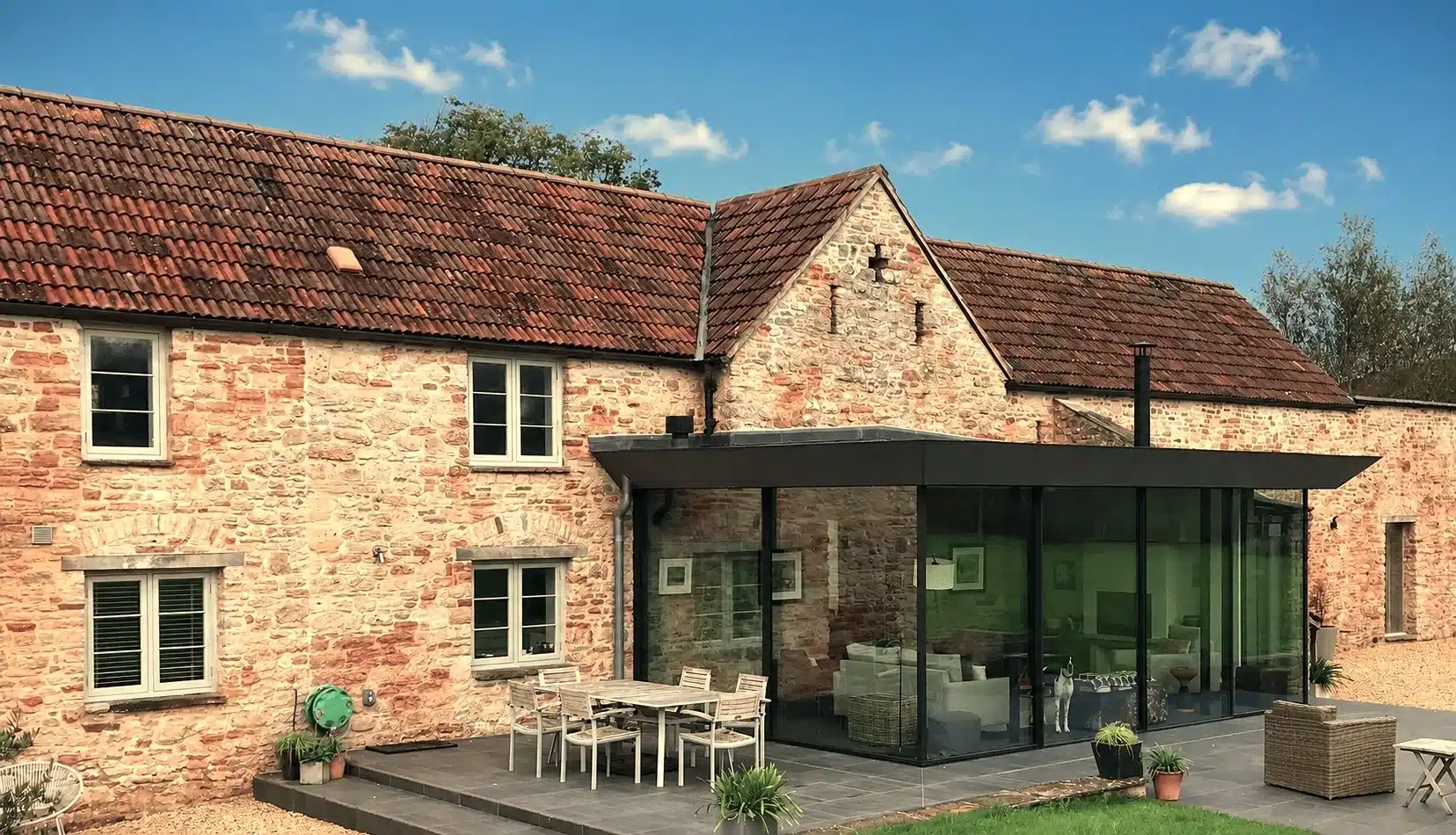
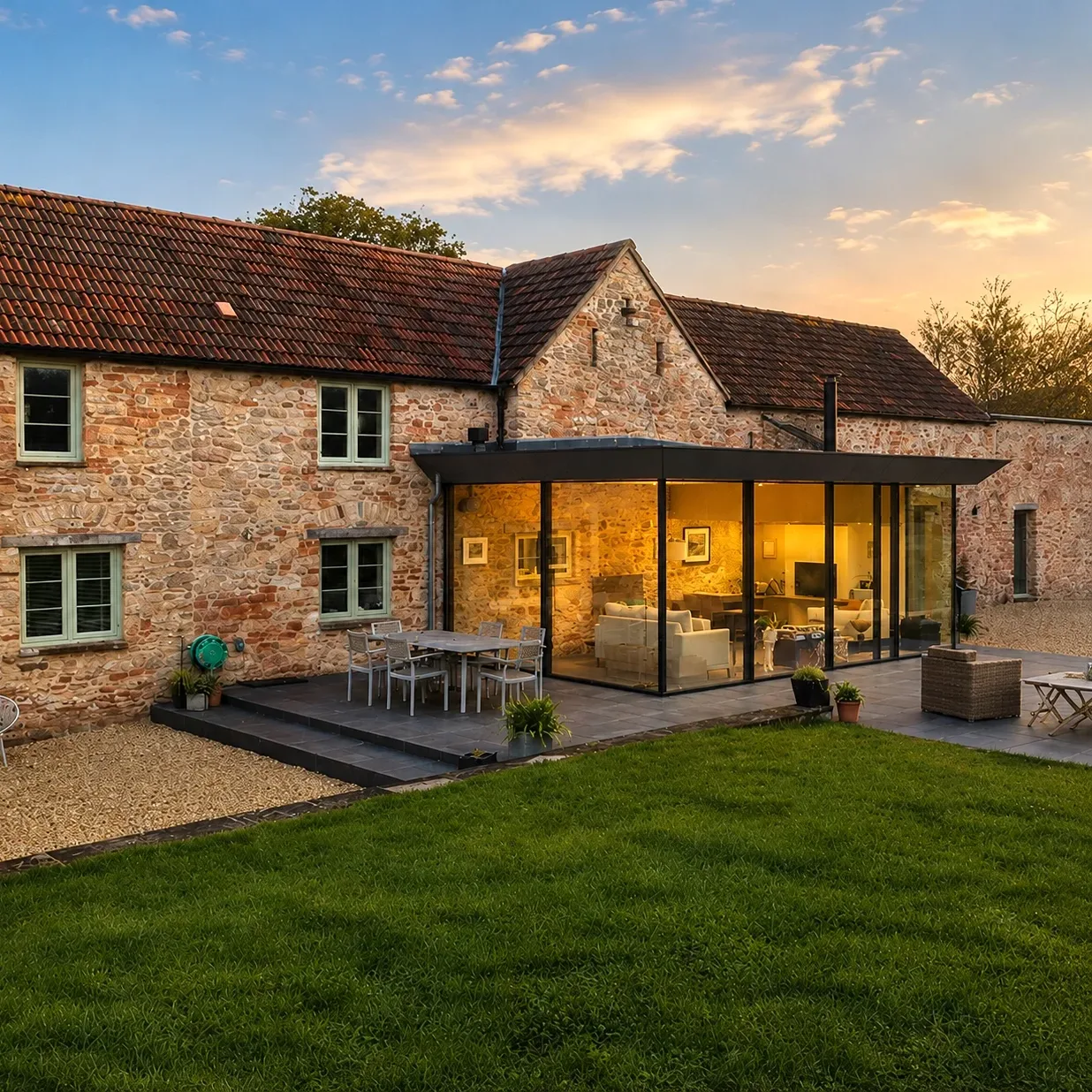
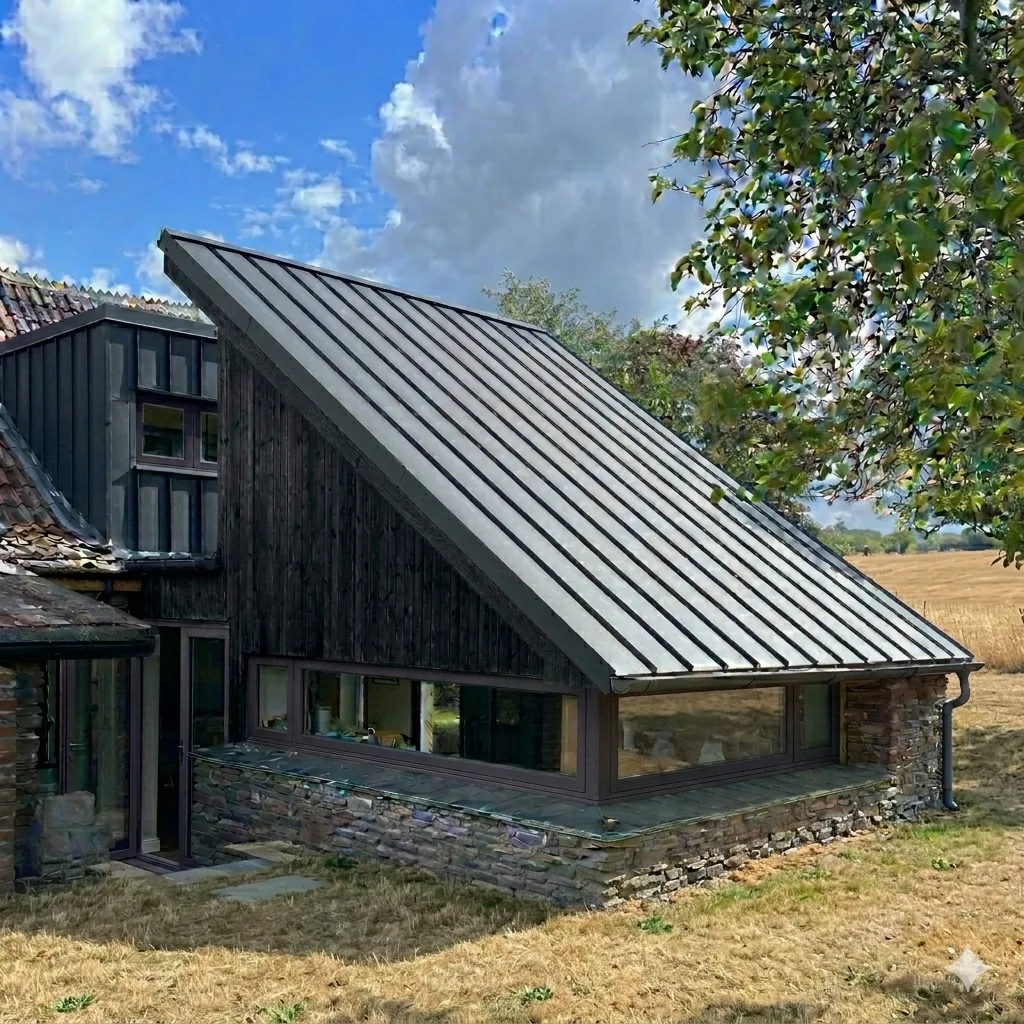
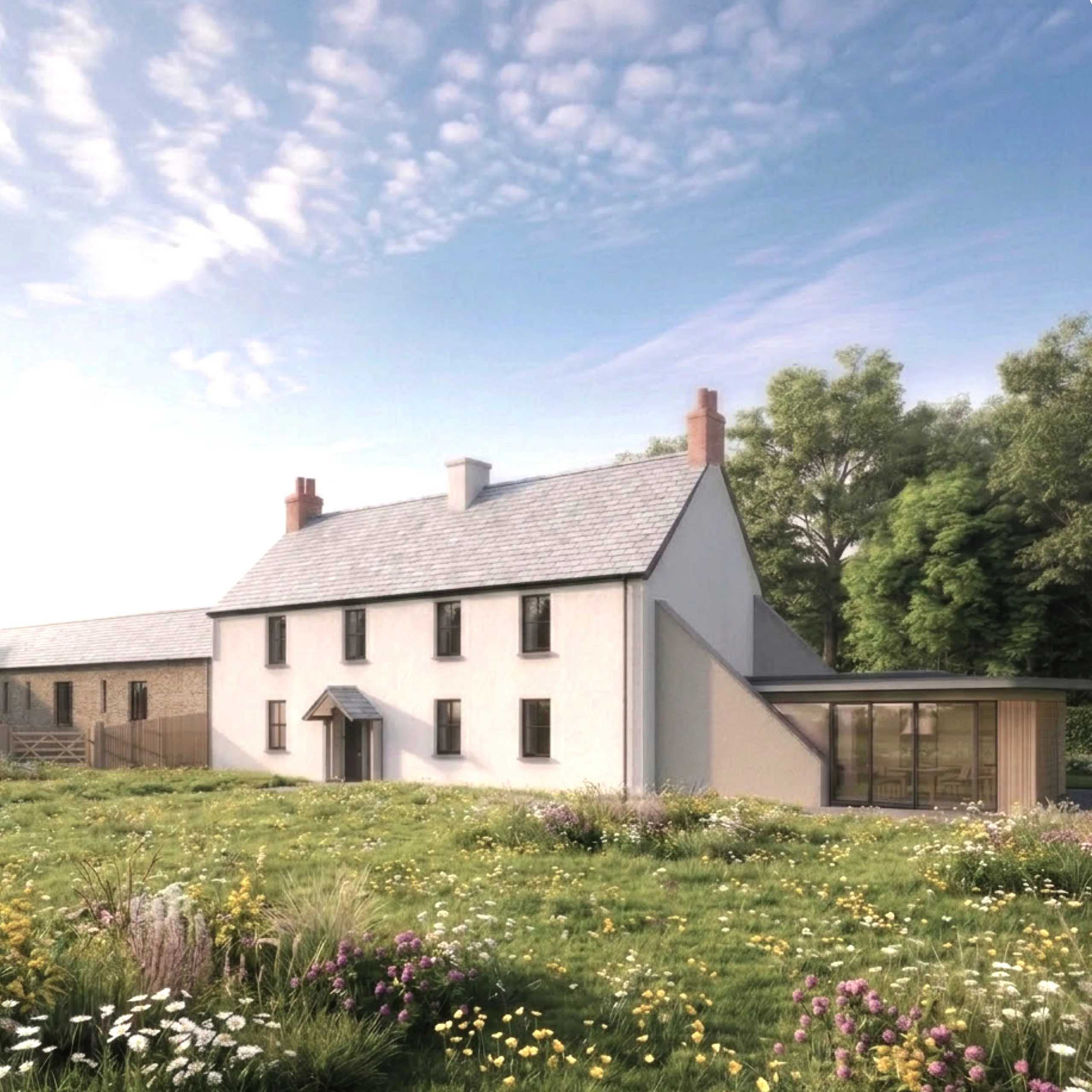
This is rare example of how to execute such as design approach successfully, in that what has been proposed could be considered interesting and controlled design. Overall, the form and scale of the extension would add an interesting and complementary addition. It is appreciated that the design approach may face some resistance, but importantly what is proposed can be regarded as "good design".
Richard and Donnalee Webb
'For professionalism, creativity, function and design, we wouldn't hesitate to recommend Corbel. Our architect, George, was fantastic and we felt listened to and communicated with throughout the whole process. We always looked forward to his visits! He nudged us creatively and came up with a house design which respected the old but brought in additional contemporary structures in a way which we would never have thought of ourselves.
Sue & Richard Leworthy
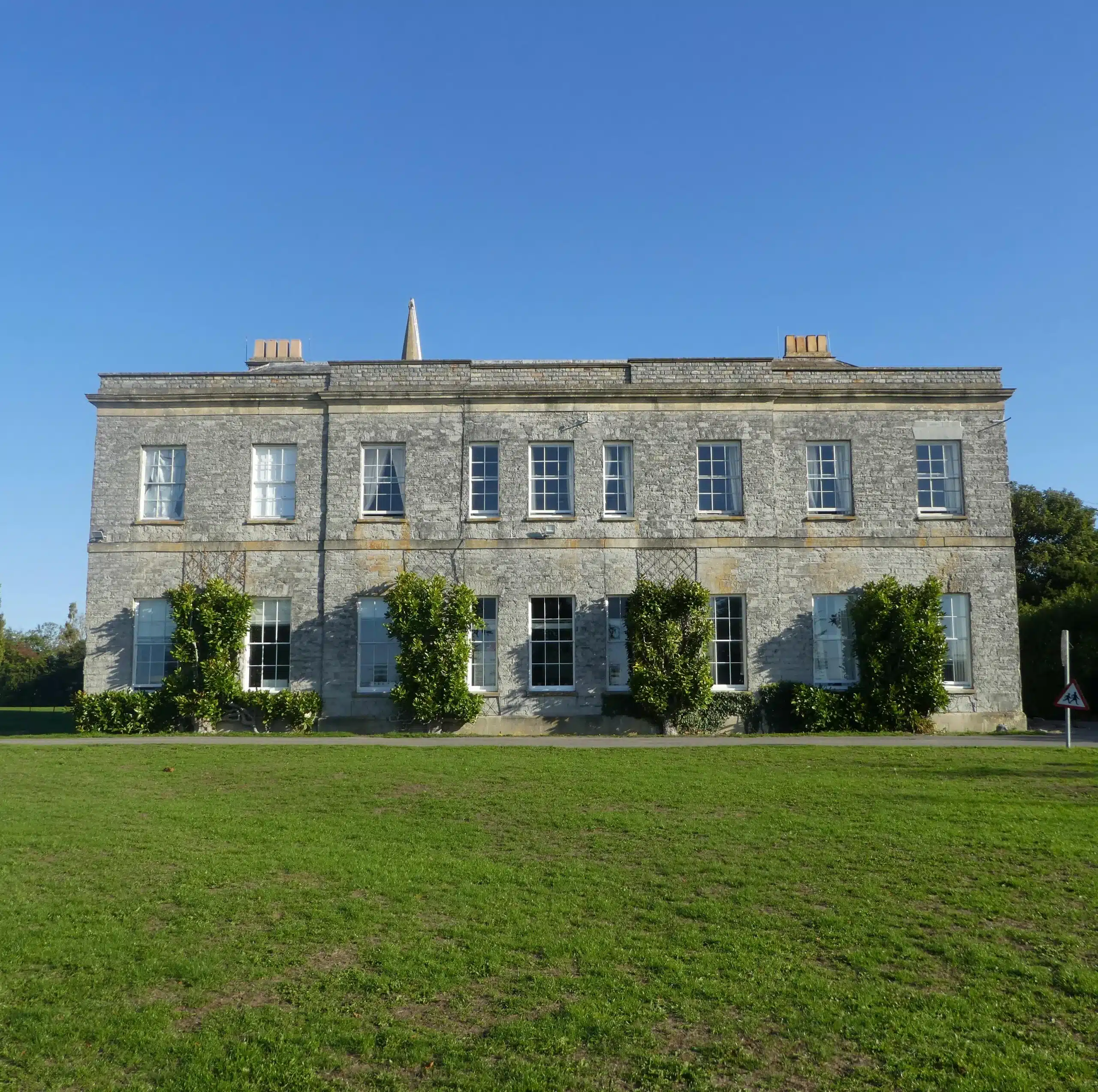
We have found all the team at Corbel to be very knowledgeable and capable. George produced a most detailed set of drawings showing us how our renovation would work. We were able to have all the input of design and finishes we wanted so our restored Georgian Grade 11 listed House was exactly as we had visualised!

Get your project off the ground
Contact us for a no obligation meeting. Video call or meet at the property.
Contact Lead Architect: George Tasker ARB, RIBA, AABC. We can offer you a complete and full service through our team of architects, engineers, ecologists, archaeologists, etc
Frequently asked questions
Generally yes you can, subject to careful consideration, preserving the building’s historical integrity and character.
Consent is required for any changes, even if not specifically
mentioned in the listing or part of what the unique or special features are.
Like for like changes don’t require permission.
Changes must take into account the significance. Repair is always preferred to replacement.
Advice from an architect specialising in listed properties can really guide you, take out the stress and minimise mistakes. It speeds up the process no end, as they will know how authorities act, have good dialogue with them and what’s generally viewed as special and
what will be needed.
That’s a really tricky one to answer. The cost will really depend so much on what you want to do.
A very crude rule of thumb could be the costs are likely to range from £1500 to £4800 per square metre, but that’s really very crude and it just depends heavily on what needs doing. However a high spec restoration, using craftsmen, the right materials and bespoke items of joinery etc is likely to be more at the upper end.
We would draw up a proper schedule of what needs doing and cost it for you all in advance, so you had a much more accurate costing
before you started.
The one thing you can be sure of, is that it will cost more than an equivalent modern build for some items, as specialist skills, materials and time are needed to maintain the buildings historical
character.
There are likely more delays owing to hurdles to jump in the process. Speed and cost though comes down to choosing the right architect and contractor, who have been there before and know many of
the issues, know the right materials and how to use them and communicate well with you and each other.
Cost particularly is determined by you and your choices. Decide what you want and in advance, then the process will happen quickly and smoothly.
Consent is required for anything that may alter of affect the character of a listed building, in order to maintain the character and historical significance. Any alteration or extension.
Obviously consent is mandatory for any dismantle or demolition which generally wouldn’t be allowed without a very, very good reason.
What is often confused is what’s included. When a building is listed, EVERYTHING in or attached to the building is included and any structure or building within the curtilage is also included.
Like for like repairs don’t require consent. Nor do minor repairs that are insignificant and don’t affect the character, but if in any doubt just ask the authorities. Better to ask than not. Not having consent is a CRIMINAL, not civil offence, for both the owner and the person carrying out the work.
The process we would walk you though and recommend you follow is to:
1. Gather initial ideas of what you’re aiming for.
2. Establish the existing building’s characteristics, opportunities and constraints.
3. Draw and measure the existing building and surroundings as necessary, to allow the proposals to be clarified.
4. Discuss your plans with the authorities (the local conservation officer or case officer from Historic England, Scotland or Cadw, before putting in your application for consent. Then take any concerns and issues into account in the proposal. Materials, colours, styles may be important, be prepared to change.
5. Apply for consent. This is required for any alterations that affect the buildings architectural or historic character.
6. After consent is granted, add a huge amount of detail to allow the builder to be able to take things forward from approval stage. Don’t underestimate or ignore this. Approval does not give you all you need to proceed.
7. Cost it thoroughly to ensure it’s all been considered and included. But have a contingency for the unknown and make sure its big enough! If you want to minimise cost, don’t deviate unnecessarily. Decide on the detail up front. Definitely stick with what was agreed with the authorities.
8. Make sure your building insurance is valid during the works.
9. Use people who know their stuff, or you’ll pay the price.
10. Go ahead with construction in a steady and measured way adjusting plans all the time for what’s found. Be available. Discuss progress and answer questions frequently (weekly).
It’s not mandatory to have one. However it can be very beneficial.
Unless it’s simple and straight-forward, an historic buildings architect can hugely help to smoothly negotiate this journey.
For example, we can make sure the extension is appropriately constructed, minimising any detriment to the original building.
We ensure extending is sympathetically done in a way that’s acceptable to the authorities. We understand what is important, the nuances of working with older structures and what’s looked for and needed to justify your changes. It maximises the likelihood of approval being granted.
You will need to apply to your local planning authority, either on-line via the planning portal or on paper by downloading forms from the planning authorities website. It could then be returned by post.
We can do that for you.
The website will guide you through the information that will be needed. Eg detailed drawings, multiple copies of plans of the area and the site in the prescribed scale, description of the work, heritage
impact statement, etc
The application must demonstrate how anything special about the building historically, or architecturally will be preserved and protected.
Double check it’s all there and correct, or it won’t even get through to be assessed, just coldly rejected often several weeks later, losing you unnecessary time.
The listed building consent application itself doesn’t cost at the moment.
Grade 2 will be assessed by the local authority. Grade 2* or Grade 1, have a higher level of protection and so may involve consideration or control by Historic England / Scotland / Cadw.
The target time for getting a decision may be as little as 8- 13 weeks, but some authorities can take considerably longer than that.
Your only appeal is to the Home Secretary, but you may consider modifying your application to become acceptable. Unfortunately help is not always forthcoming as to what the issue may be. An
architect expert in such applications may be able to help.
Conservation architects specialise in work on listed and historic buildings and structures. Specifically not necessarily restoring them, but stopping them getting any worse, stabilising the structure and
decoration.
Often such architects are called on to do alteration, but although not strictly conservation, it’s done in a way that won’t be detrimental to the building.
Services may include, feasibility and condition surveys, historic building consultancy; recording existing as required and assessing cost and design options.
Assessing the significance of features or the whole building.
Detailed technical drawing can follow ensuring sensitive design and then obtaining consents.
Heritage impact assessments and other reports required by authorities can be prepared / obtained.
It may be a project goes further than planning hopefully and then the contract itself can be managed.
Further drawing and implementing any required changes. Making sure the work is as designed and
sympathetically carried out.
The contract itself can be administered.
What conservation architects bring more than just an architect, is a much more detailed knowledge and expertise about historic and listed buildings which allows for a design and execution of the project which brings forward the best approach, design, materials, choice of technique for the building.
For Georgian property restoration in South-West England, Corbel Architects offer architectural design and planning expertise. We provide a sympathetic and appropriate approach, use the right materials and techniques.
We have extensive experience with Georgian architecture and the unique features such properties possess, around the whole region but especially in Bristol and Bath.
That’s a bit of a how longs a piece of string question. The cost of course depends on what’s needed. The fee can be organised in various ways.
For example on
- percentage basis, which can range a lot but average about 10-15% of the project cost but varies massively depending on what involvement is required and what regulatory hurdles need to be negotiated.
- Fixed fees could be arranged, but may not be beneficial because listed building present such unknowns.
- Hourly fee:
You could do the work on a hourly fee basis. Of course you have to trust that the Architect will be professional. Not so much in how many hours are needed but particularly what’s needed. - Phased: Quite often fees or due at the end of a phase, so can be spread throughout.
Corbel Architects specialise in projects involving building conservation, heritage, historic and listed buildings in Somerset, Wiltshire, Gloucestershire, Monmouthshire, Devon. They do work in Bristol and Bath or on country estates.
For listed building projects you’ll need to find an architect with experience in conservation and historic buildings. The Royal Institute of Building Architects have a register of suitably
qualified people; the AABC Architects Accredited in Building Conservation. Historic England won’t recommend anyone but advise on finding suitably qualified and experienced people.
There are quite a few firms in the South-West that would be recommendable for listed buildings. Corbel Architects, but of course were biased (Ha!), Architectural Thread, Donald Insalls, Jonathan Rhind, Philip Hughes Associates, Stark Crickmay could all be recommended to do such work.