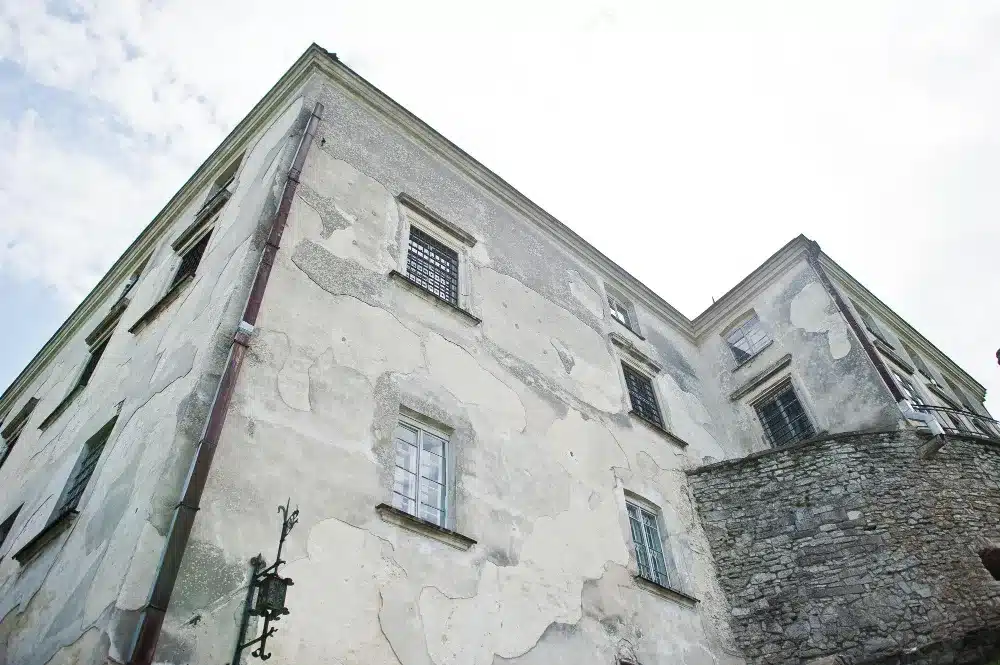
Refurbishing a listed building can be an extremely rewarding undertaking, but establishing how much the work is likely to cost isn’t always straightforward. Unlike a new-build project, where the construction methods and materials can generally be determined from the outset, historic buildings often contain uncertainties that only become apparent as investigations and work progress.
Whether you’re considering the refurbishment of a Grade II listed farmhouse, substantial alterations to a country house or the restoration of a historically important property, the eventual cost will depend on considerably more than the size of the building.
Its condition, historic significance, the extent of the proposed alterations and the standard of finish will all influence the budget. Understanding these factors at an early stage is important, particularly where the project involves substantial investment.
Why are listed buildings more difficult to price?
One of the principal challenges when refurbishing a historic building is establishing the condition of the existing fabric. Buildings that have evolved over several centuries may contain concealed structural defects, previous repairs and materials that behave very differently from those used in modern construction.
A roof that appears to require straightforward re-covering, for example, may reveal deteriorated structural timbers once the coverings are removed. Similarly, removing modern finishes can expose earlier alterations, defective masonry or historic features that require a different approach from the one originally anticipated.
These uncertainties don’t necessarily mean that a listed building refurbishment will be prohibitively expensive. However, they do mean that early estimates should be treated with appropriate caution, particularly before detailed surveys and investigations have been undertaken.
The listing grade itself isn’t a reliable indicator of cost. A Grade II property in poor condition may require considerably more expenditure than a Grade I building where the proposed works are relatively limited. It is the nature of the building and the extent of the intervention that will largely determine the budget.
What has the greatest influence on refurbishment costs?
The condition of the building is often the most significant factor, particularly where structural repairs, roofing, masonry or damp-related deterioration need to be addressed before other improvements can proceed.
Traditional materials and specialist craftsmanship can also influence costs. Repairs involving lime plaster, historic joinery, leadwork, stone masonry or traditional timber framing may require experienced tradespeople and methods that are more labour-intensive than modern alternatives.
However, specialist conservation work shouldn’t automatically be regarded as an unnecessary expense. Retaining and repairing sound historic fabric can sometimes be more economical than extensive replacement, particularly when the associated disruption and making-good works are considered.
The extent of the proposed alterations will also have a considerable impact. Introducing new openings, changing floor levels, altering structural arrangements or extending the building can involve substantial additional work, particularly where new construction must be carefully integrated with historic fabric.
Alongside this, the quality of the internal finishes, kitchens, bathrooms, mechanical and electrical installations and bespoke joinery can create a significant difference between two otherwise comparable projects.
Can you estimate refurbishment costs per square metre?
Costs per square metre are frequently used when discussing building projects, and they can provide a useful starting point for relatively straightforward construction. However, we would be cautious about relying on them when considering a substantial listed building refurbishment.
Two properties of a similar size can have entirely different requirements. One may need relatively modest internal alterations and redecoration, while another could require extensive structural repairs, replacement building services, traditional plasterwork and significant conservation work.
Applying the same square metre rate to both would provide a misleading indication of the likely expenditure.
For this reason, we believe early budgets should be developed around the actual scope of work, supported by an assessment of the building’s condition and the client’s requirements. As the design develops and more information becomes available, the estimate can be refined with input from an experienced quantity surveyor or specialist contractor.
A realistic budget is far more valuable than an attractive initial figure that doesn’t properly reflect the work involved.
How can you avoid unexpected costs?
It is rarely possible to eliminate every uncertainty when working with historic buildings, but there are ways to reduce the likelihood of significant surprises.
Thorough surveys and appropriate investigations are an important starting point. Understanding the condition of the roof, structure, masonry and other significant elements before developing detailed proposals can help identify potential problems while there is still an opportunity to respond.
We also believe it is important to distinguish between work that is essential to the building’s condition and conservation, and alterations that are primarily intended to improve its appearance or functionality. Establishing these priorities early can help clients make informed decisions if the budget becomes constrained.
Allowing an appropriate contingency is equally important. The amount will depend on the condition of the building, the extent of the proposed works and how much uncertainty remains following investigation. A project involving extensive concealed fabric will generally require a different approach to one where the structure and condition are already well understood.
An experienced architect should recognise these risks and ensure they are considered during the design process rather than leaving them to emerge during construction.
Why architectural design and construction knowledge matter
Decisions made during the early design stages can have a considerable influence on the eventual cost of refurbishing a listed building.
An apparently straightforward alteration may require extensive structural intervention, while a different arrangement could achieve the same objective with considerably less disruption. Similarly, understanding whether historic windows, doors or structural timbers can be repaired rather than replaced can influence both the budget and the conservation outcome.
At Corbel Architects, our design work benefits from the wider experience of Corbel Conservation and Corbel Joinery. This provides practical knowledge of traditional construction, specialist materials and the challenges associated with repairing and adapting historic buildings.
We believe this understanding is particularly valuable when considering the relationship between architectural ambition, conservation requirements and construction cost. The objective shouldn’t simply be to identify the cheapest solution, but to establish an approach that is appropriate for the building, achievable within the available budget and capable of performing well over the long term.
Early involvement from a quantity surveyor or experienced conservation contractor can also help establish realistic costs before the design has progressed too far.
Establishing a realistic budget for your project
Every listed building is different, and there is no single figure that can reliably represent the cost of refurbishing one. The most useful starting point is to understand the building, establish the extent of the proposed work and identify the areas where uncertainty is likely to influence cost.
We would encourage anyone considering a substantial refurbishment to establish a realistic overall budget before committing to detailed design. This should take account of construction costs, professional fees, surveys, statutory approvals, specialist investigations and an appropriate contingency, together with any applicable VAT.
At Corbel Architects, we believe that bringing architectural design, conservation knowledge and practical construction experience together at an early stage helps clients make better-informed decisions about their properties.
Ultimately, the cost of refurbishing a listed building should be considered alongside the value of retaining its historic character, improving its usefulness and securing its future.
If you’re considering the refurbishment, alteration or extension of a listed property, Corbel Architects can help you understand the opportunities, assess the likely challenges and develop proposals that take account of both the building and your budget.